

How Does Drayage Service Work?
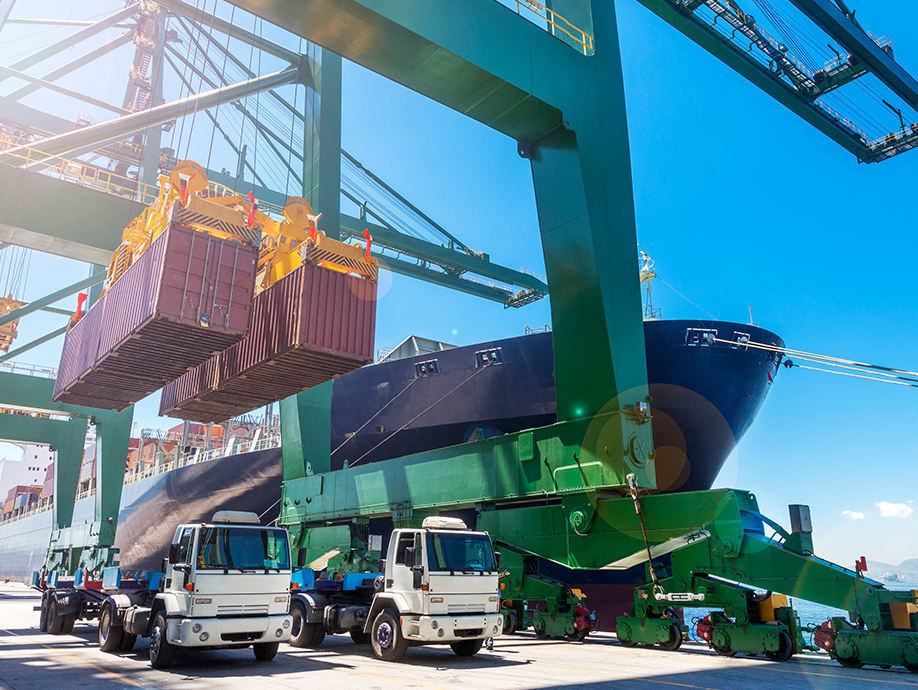
Drayage service begins when freight arrives at a port. Containers are picked up by a drayage carrier and transported over a short distance to a warehouse, rail yard or distribution center. Drayage often serves as the first leg in a larger logistics process, connecting ocean freight to inland transportation. Efficient coordination during this phase helps prevent delays, storage fees and supply chain disruptions.
Why Drayage Is Critical to the Supply Chain
Drayage plays a central role in keeping freight moving through busy ports. Without timely container transport, terminals become congested, leading to delays across shipping networks. Reliable drayage service supports faster cargo flow, reduces dwell time at ports and helps businesses maintain inventory levels. During periods of high demand, strong drayage coordination can make the difference between on-time delivery and costly delays.
Benefits of Drayage Carriers
Cost-Effective Short-Distance Transport
Short-haul trucking from port to facility reduces handling time and minimizes transportation costs compared to extended storage or delayed transfers.
Enhanced Accuracy With Warehouse Software
Advanced logistics systems track shipments in real time, improving visibility and reducing errors during container movement and delivery.
Experienced Staff for Secure Handling
Our team brings deep experience in port logistics, container handling and regulatory requirements, helping protect freight throughout each move.
Reduced Port Congestion
Fast container pickup and delivery help free up space at terminals, keeping freight moving efficiently through high-traffic ports.
Faster Inventory Turnaround
Quick drayage service allows businesses to receive goods sooner, improving inventory flow and supporting faster order fulfillment.
Drayage vs. Intermodal Shipping: What’s the Difference?
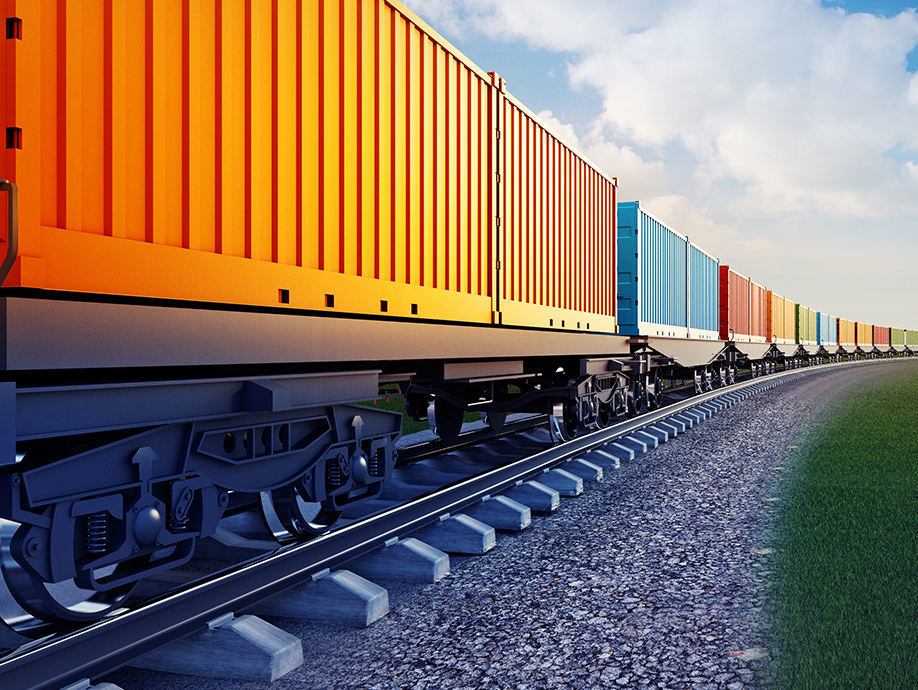
Drayage and intermodal shipping often work together to serve different roles in freight movement. Drayage focuses on short-distance transport, typically from a port to a nearby facility. Intermodal shipping involves moving freight across multiple transportation modes, such as ships, trucks and rail.
How Drayage Fits Into Intermodal Shipping
Drayage is the connecting link between transportation modes. After cargo arrives by ocean vessel, drayage carriers transfer containers to trucks or rail for the next stage of delivery.
What Can Be Included in Drayage Imports & Exports?
Drayage services can handle a wide range of freight types, including full container loads (FCL) and less-than-container loads (LCL). As long as cargo meets U.S. shipping regulations and can be safely transported, it can move through drayage. Common freight includes consumer goods, industrial materials, retail inventory and packaged commodities moving through domestic and international supply chains.
Cross-Border Drayage & Mexican Carrier Partnerships
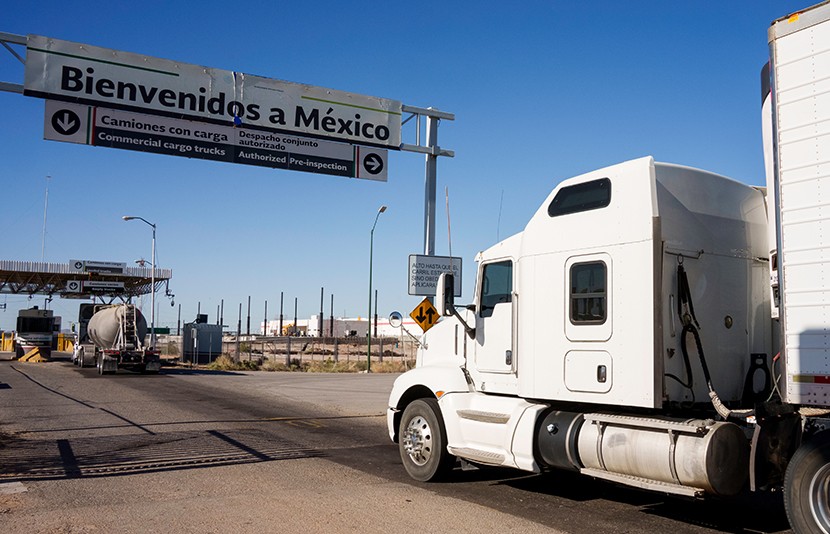
Direct Drive Logistics works closely with trusted Mexican freight carriers to support cross-border drayage logistics across major U.S.-Mexico trade routes. Our team coordinates container transfers, transloading and cargo handoffs to keep freight moving efficiently between ports, rail yards and inland destinations.
We also assist with customs brokerage coordination, helping reduce border delays and improve transit times. From port drayage to cross-border delivery, our network supports secure, compliant freight movement every step of the way.
Drayage Ports & Locations We Serve
Direct Drive Logistics supports drayage operations across major U.S. port regions, including:
DRAYAGE BY CITY
Our network continues to expand to meet growing demand across key shipping hubs. Contact us today to request a quote.